English Grammar
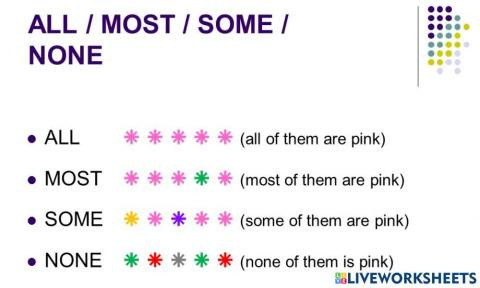
all / most / some / any / no & none
- 정도를 나타내는 수사
- all : 100%
- most : 90%
- some : 40~50%
- any : ?
- no / none : 0%
- 뒤에 붙는 noun에 the, this/that, my/your/his 등의 지칭/소유 대명사가 붙으면 반드시 of를 붙여야 한다. (예외: all)
- Most of the children at this school are under 11 years old.
- I don't want any of this money.
- Some of these books are very old.
- None of my friends live near me.
- All (of) the students in our class passed the exam.
a lot / much / many
much (+ noncount) / many (+ plural noun)
의문과 부정을 나타낼 때 주로 사용한다.
- Do you drink much coffee?
- I don't drink much coffee.
- Do you have many friends?
- We don't have many friends.
특히 much는 긍정문에서 사용하기 좋지 않다.
- I eat a lot of food. (not much food)
- "Do you eat much fruit?" > "Yes, a lot", "No, not much"
Subject (주관적, Feel) > Object (객관적, Fact)
- I saw a beautiful yellow flower.
> beautiful은 yellow보다 주관적이기 때문에 보다 앞에 위치한다.

- 번외) Snow White vs. white snow
- Snow White : "눈처럼 흰"
- white snow : "흰 눈"
> 따라서 백설 공주가 아니라 설백공주가 맞다.
Verb의 Present Continuous 가능 / 불가능 여부
- 가능 : 하다가 도중에 그만 둘 수 있는 것. (ex. run, exercise, study etc.)
- 불가능 : 그만둘 수 없는 것. (ex. think, love, feel 등 소유 / 감정/ 감각)
a lot of (both types of noun)
singular / plural verb 모두에 붙을 수 있다.
- There is a lot of food / money / water ... (singular verb)
- There are a lot of trees / stores/ people ... (plural verb)
또한, 긍정, 부정, 의문에 모두 사용 가능하다.
- I drink a lot of coffee.
- We don't have a lot of friends.
- Do you know a lot of people?
English Words
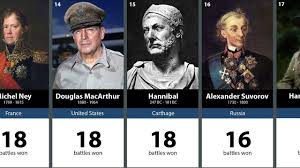
general은 왜 '보편적인'과 '장군'이 모두 될까?
- 어원 : Middle English: via Old French from Latin generalis, from genus, gener- ‘class, race, kind’
> 계급 / 인종 등 여러 분류를 하나로 묶기 때문에 '일반적, 보편적'이 가능하며, 이를 두루두루 다스릴 수 있는 권력을 지닌 사람을 지칭할 때 '장군'으로도 쓰일 수 있다. - 예시
- a general agent : 총대리인
- a general practice [custom] : 일반적인 관습
- a general officer : 육군 장성

weather : 바람 > 풍화 작용 > 깍아내다 > (시련을 견디다)
- 어원 : Old English weder, of Germanic origin; related to Dutch weer and German Wetter, probably also to the noun wind
- 예시
- His skin was weathered almost black by his long outdoor life. : 풍화되다, 변화하다.
- The sturdy boat had weathered the storm well. : (폭풍우/곤란)을 이겨내다, 견디다
- (물이 흘러내리도록) ~을 경사지게 하다.
- bad weather : 나쁜 날씨

go는 '가다'가 아니고, come도 '오다'가 아니다.
- go는 speaker로부터 멀어지는 느낌
- come은 speaker에게 가까워지는 느낌
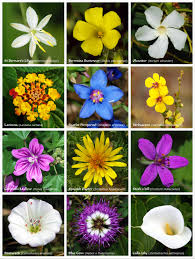
flower는 '피다, 만개하다'의 이미지
'영어 원어민 발음 공부' 카테고리의 다른 글
| 영어 원어민 발음 공부 57주차 (0) | 2025.11.04 |
|---|---|
| 영어 원어민 발음 공부 56주차 (0) | 2025.10.26 |
| 영어 원어민 발음 공부 54주차 (0) | 2025.10.14 |
| 영어 원어민 발음 공부 53주차 (1) | 2025.10.10 |
| 영어 원어민 발음 공부 52주차 (0) | 2025.10.04 |