English Grammar
Simple Past vs. Past Continuous
- Simple Past : "동작을 완료하다 (I did)"
- Past Continuous : "동작을 수행 중 (I was doing)"
- 예시
- Matt burned his hand while he was cooking dinner.
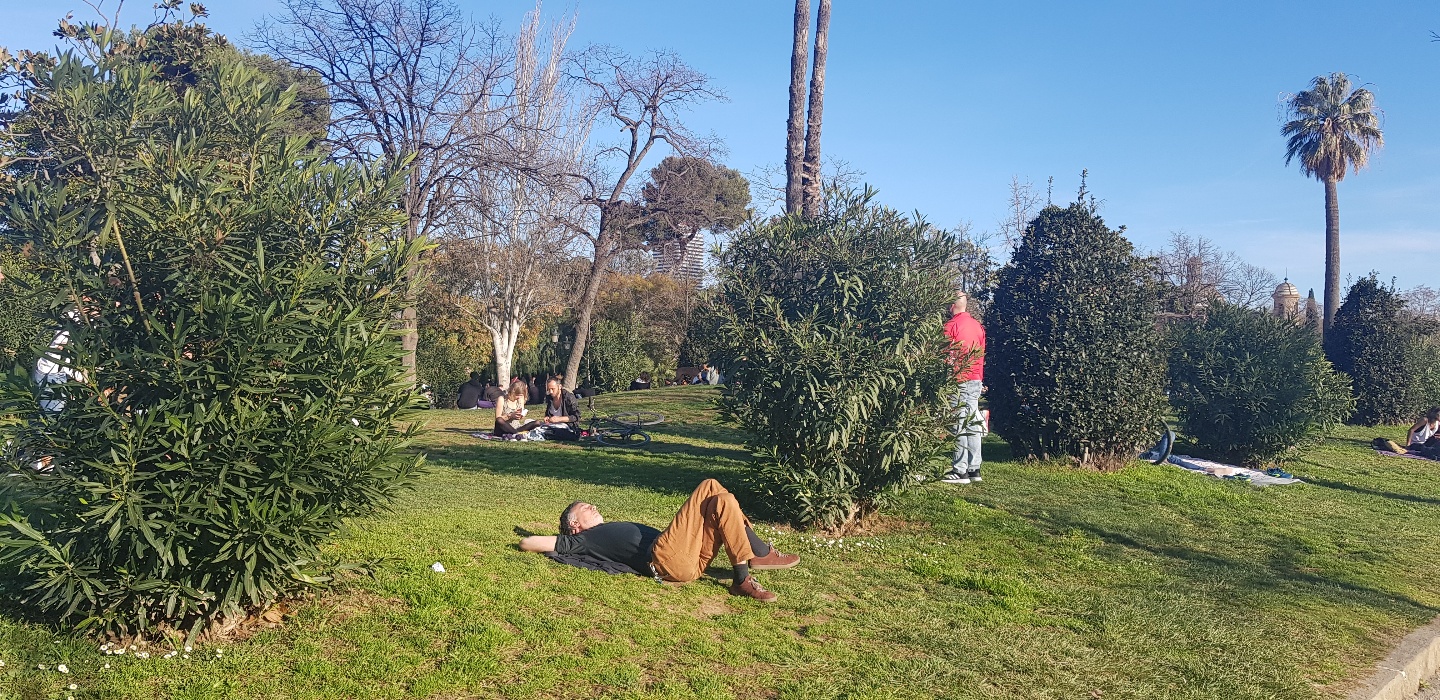
- I saw you in the park yesterday. You were sitting on the grass and reading a book.
- I hurt my back while I was working in the garden.
- know나 want 같은 verbs는 Continuous 형으로 사용할 수 없다.
→ 한번 알거나 감정적인 부분은 Subject가 자의적으로 하다가 멈출 수 없기 때문이다.

it wasn't broken vs. it didn't break
It wasn't broken : (정상 기능하고, 온전한) 손상 없는 상태
- "was" (past tense of to be) + "broken" (past participle used as an adjective)
- break 상태(state / condition) 묘사
- 예문 : The vase wasn't broken when I bought it.
It didn't break : (일반적으론 깨져야 하는데) 안 깨졌네?
- "did" (past tense of do) + "break" (base verb)
- break 행동(action / event) 묘사
- 예문 : I dropped the phone, but it didn't break.

뭐가 맞나 : speak to vs. speak with
- speak to (→) : 일방향 상호작용 (telling / instructing)
- speak with (↔) : 양방향 상호작용 (conversation / discussion)

번외) say / speak / talk / tell
- say : "express something with words"
- tell : "give information to a person or to instruct"
- speak : "more formal"
- talk : "casual"
English Words
"구성하다"
- consist of
- 재료·구성요소 같은 "중요한 일부"를 나열하다. (formal, essential parts)
- 예문 : Soup consists of borth, veg, and meat.
- composed of
- 결과로 나타나는 "전체"에 집중 (resulting whole; more formal than "consist of")
- 예문 : The orchestra is composed of strings, woodwinds, and brass.
- make up
- 보편적 조합에서 만능으로 사용 (less formal)
- 예문 : Volunteers make up the bulk of the staff.
home은 왜 "통절하게, 깊이"가 되는가
- 발음 : [ hōm ]
- 어원 : Old English hām, of Germanic origin; related to Dutch heem and German Heim .
- 예문
- n. 집, 거주하는 장소; 가족이 함께 거주하여 형성된 사회적 단위; 근원
- drive a nail home adv. 최종·궁극·근접한 위치로
- let us home. v. 거주지·출산지로 돌아가다.
- the truth struck home adv. (중대한 / 민감한) 중심까지
converse : "함께 하다; 친숙하다" → "거꾸로, 정반대(?)"
- 발음
- n.[ känˌvərs ]
- v. [ kənˈvərs ]
- 어원
- late Middle English (in the sense ‘live among, be familiar with’):
- from Old French converser, from Latin conversari ‘keep company (with)',
- from con- ‘with’ + versare, frequentative of vertere ‘to turn’.
The current sense of the verb dates from the early 17th century.
- 예문
- We spent a few minutes conversing about the weather. v. 사고나 의견을 교환하다, 대화하다
- Mrs Walker was apt to be more free in converse with her daughter than she was with her son. n. 대화
- "No P is S" is the converse of "no S is P" n. 정반대
- The converse theorem n. (논리적이거나 수학적인) 대화[대담]
영어는 단어의 속성을 본다.
- a lot of (형태: 단수, 사용: 복수)
- everything (형태: 복수, 사용: 단수)
Irregular Verbs
- come → came → come
- go → went → gone
English Pronunciation
eleven 발음해보세요.
- tension 올리기
- 끝음('-n') 처리
shadowing 연습하기 : Obama
참고 출처
- The Verbs Say, Tell, Talk, Speak in English - Adi's Language School
- CONVERSE Definition & Meaning - Merriam-Webster
-
'영어 원어민 발음 공부' 카테고리의 다른 글
| 영어 원어민 발음 공부 69주차 (0) | 2026.01.30 |
|---|---|
| 영어 원어민 발음 공부 68주차 (0) | 2026.01.24 |
| 영어 원어민 발음 공부 66주차 (2) | 2026.01.09 |
| 영어 원어민 발음 공부 65주차 (1) | 2025.12.31 |
| The best thing and worst thing I did in 2025. (3) | 2025.12.27 |